
What is the best vitamin D dosage for efficiency
- Nadia Berthier
How long to take Vitamin D and dosage
One thing i want to talk about is the duration of how long to take vitamin d as well as the dosage. There’s a lot of confusion most people are taking between 600 ius to a thousand.
I use sometimes 2000 IUs and they think that that’s enough. One thing you need to realize is that about 75% of the population on planet earth are deficient in vitamin D and vitamin D is so important in fact it’s the most important fat soluble vitamin especially for the immune system.
What to know on vitamin D
Based on some pretty credible studies which I’m going to list down below and I only listed three i’m gonna give you quite a few of them.
In the first study the group took a thousand to two thousand ius of vitamin D. Once to twice per week for one month and did not increase their vitamin D levels at all. Second study took a thousand to two thousand ius and it took four months to elevate their vitamin D. And in the third study it took three months to achieve just the normal level of vitamin D by taking 1600 ius of vitamin D.
It takes longer than you think to fix a vitamin D deficiency
I just had a call from a lady who was taking 50000 ius of vitamin D for weeks and it did not even increase her levels.
So the question is how could you be that deficient if you’re taking so much vitamin D?
The first thing to know is that it takes a lot longer than you think to fix a vitamin D deficiency. It could take months the second thing to notice the effects.
What could prevent vitamin D absorption?
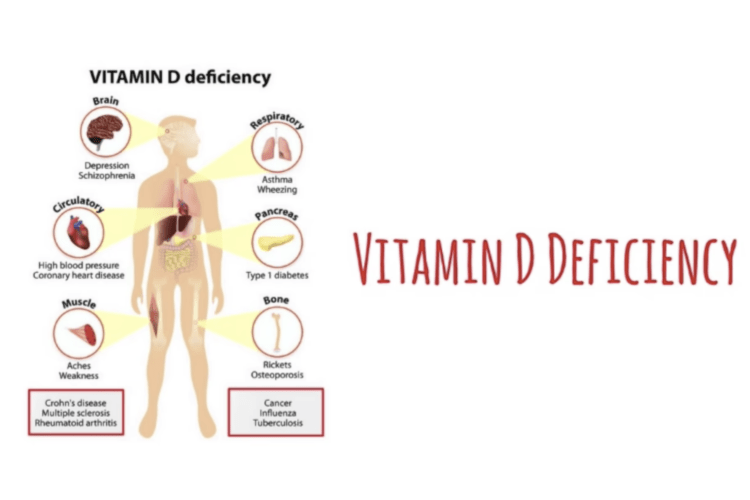
There are various things that prevent the absorption of vitamin D.
Your gut
One is your gut if your gut has damaged you’re not going to be able to absorb vitamin d too well.
Your age
Second, your age greatly influences your ability to absorb vitamin D not just from dietary sources but from the sun.
The color of your skin
Third, the color of your skin also influences your ability to absorb vitamin D. In other words if the skin is darker it could take three times as much sun to penetrate the skin.
The amount of fat you have
Fourth, there’s a topic of how much fat you have. The more subcutaneous fat you have in your body the less you’re going to absorb vitamin D.
Exposure to the sun
Fifth, there’s exposure to the sun if you’re going out in the sun and you’re only exposing your hands and your face to the sun. You’re only exposing five percent of your body to the sun which it would take you hours and hours and hours.
So even achieve a small amount of vitamin D and then you have the location where you live the latitude the connection between where you live in the sun.
If you live in the northern hemisphere, which if we look at united states is just above LA and we look at the months between november and march the amount of vitamin D you’re going to get is pretty much insignificant. Then we have metabolic issues.
Let’s say for example you have diabetes you have arthritis you have high blood pressure cardiovascular disease guess what the requirements for vitamin D go way way up.
The seasons
Of course we have the season. If it’s winter and you’re out there trying to get sun the odds of you getting enough vitamin D are very very slim.
Genetic factors
lastly there’s a genetic factor involved called polymorphism, where there is a variant or an alteration in your genes which don’t allow you to absorb vitamin d very well.
A lot of people have this and they don’t even know they have it and that could be the reason why they can’t absorb it.
Chronic infection
If you have a chronic infection see the viruses that invade the body downgrade your vitamin D receptor. So if you have an infection whether it’s in the lung in the sinuses or in your gut the microbes specifically viruses have a strategy of blocking the absorption of vitamin D.
They block the receptor so you can’t absorb. It it’s a survival mechanism. The white blood cells that are fighting the virus need vitamin D desperately so they’re going to suck up that last little bit of vitamin D that you have.
So as you can see there’s a lot of factors involved with the absorption of vitamin D.
Vitamin D dosage
How much vitamin D would i recommend ?
10000 IUs per day as a maintenance and I mentioned this plus if there’s an autoimmune issue involved and you’re going to need much higher amounts of vitamin D with magnesium, B6 and zinc and there’s a couple other.
Conclusion
Vitamin D is very important for your body. Watch your levels and be healthy.
Which dosage do you use? For how long? Tell us in the comments section.